
The Zone Diet Plan Guide

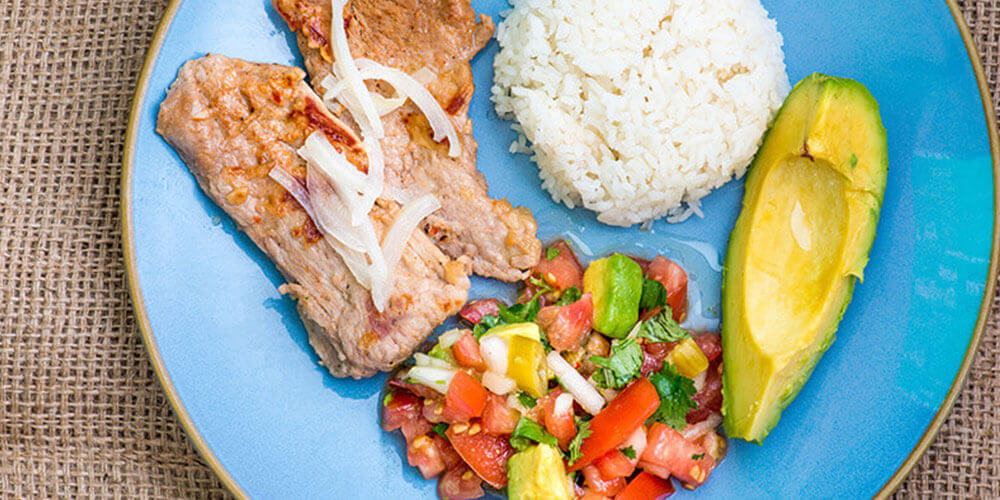
The zone diet is a high-fat, low carbohydrate diet based on a very specific macronutrient break down and a recommendation of low-glycemic foods.
Specifically, the macronutrient break down is to consume 30% dietary protein, 40% dietary carbohydrates, and 30% dietary fat.
It is typically prescribed in “blocks” and to eat around 5 meals per day.
Some of the key tenets of the diet are consuming mostly low insulin releasing foods, optimizing satiety, and specific nutrient timing: 5 meals per day with no more than 5 hours between meals
History of the Zone Diet
The zone diet was developed by Dr. Barry Sears, a biochemist by training.
Tracing back in history the zone diet truly began in the 1970s when Dr. Sears was completing his postdoctoral fellowship and his father died of a heart attack.
This life changing event spurred Dr. Sears to research the causes of heart disease and he began to develop a theory about how dietary fat and how it regulates the body’s chemistry and hormones are key players in the development of obesity and disease.
General Overview of Components & Main Principles of The Zone Diet
The underlying idea behind the zone diet is the idea that insulin and other hormones causes inflammation, and that inflammation is the key to obesity and heart disease. The structure of the entire diet is designed to minimize these two things by optimizing hormones.
The zone diet prescribes consuming a 0.75 or 3:4 ratio of protein to carbohydrate in order to reduce the insulin to glucagon ratio1. The idea is that consuming this ratio optimizes the production and regulation of eicosanoid metabolism and reduces disease risk, augments weight loss, and make you live longer.
Applying the diet requires calculating the amount of blocks you need to consume in a day. Each person is allotted a total number of blocks throughout the day. The amount each person is allowed is based primarily on biological sex, overall size, and athletic status.
The total amount of blocks often range from 10 total daily blocks for a small female, all the way to 25 for an athletic – well muscled male. Meals are then broken down in to 5 meals per day with blocks distributed across each meal.
Blocks are broken down by each macronutrient: 1 protein block is 7 grams of protein, 1 carbohydrate block is 9 grams of carbohydrates, 1 fat block is 1.5 grams of fat. Each meal should include an equal number of each block. For example, a 2 block meal will have 2 protein blocks, 2 carbohydrate blocks, and 2 fat blocks.
The following figure gives a graphical overview of a typical zone diet breakdown.
Meal Timing/Frequency
The zone diet prescribes a rigid number of meals and fairly rigid time structures.
The mantra of the zone diet is “5 Meals per Day, No More than 5 Hours Apart”.
Restrictions/Limitations
The zone diet has a specific food list that zone diet practitioners are encouraged to follow as closely as possible. Here is a list of foods that are encouraged by the zone diet.
Proteins: Range Fed Beef, Chicken, Turkey, Bass, Halibut, Lobster, Shrimp, Egg Whites
Fat: Almonds, Avocado, Macadamia Nuts, Olive Oil, Peanuts, Tahini, Cashews, Pistachio, Sesame Oil
Carbohydrates: Asparagus, Black Beans, Broccoli, Cabbage, Cauliflower, Chickpeas, Kale, Lentils, Squash, Zucchini, Apples, Berries, Grapes, Oranges, Peaches. Slow digesting grains like Barley and Oatmeal are also allowed.
Does it Include Phases?
Typically the zone diet does not include prescribed phases in either its original formulation or the most recent update.
Who is it Best Suited For?
The zone diet is best suited for individuals who are concerned with developing a dietary framework that focuses on both the quantity and quality of their diet and enjoy a structured, planned out diet.
The blocks specify the quantity of an individual’s intake and the timing and dispersal of the blocks gives structure to a day of eating; this is often a benefit for many. The list of foods focuses on the quality of the diet.
Conclusion
The zone diet is a dietary framework that utilizes a 30/40/30 ratio of protein, carbs, and fat intake with the aim of optimizing hormonal signaling.
The diet focuses on vegetables, some fruits, and other non-starchy carbs and typically utilizes a lower-carbohydrate, higher fat intake.
One of the main philosophies is consuming low insulin releasing foods, optimizing satiety, and specific nutrient timing by consuming 5 meals per day with no more than 5 hours between meals.