
The Ketogenic & Low Carb Diet Plan Guide

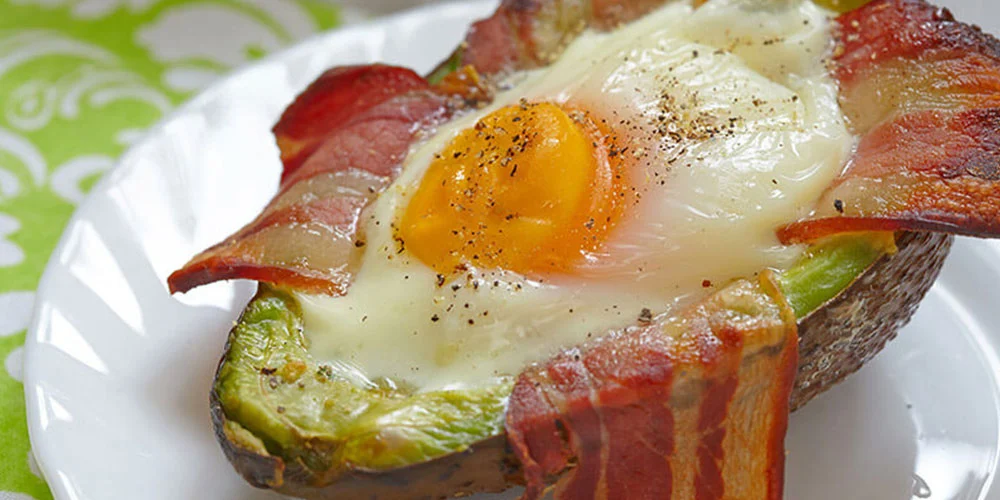
The ketogenic diet is a diet that capitalizes on a very interesting aspect of human physiology, namely ketosis.
Ketosis is a metabolic state that occurs when we consume carbohydrates in such low quantities fatty acid oxidation becomes the main source of fuel.
When fatty acid oxidation reaches a certain point and carbohydrate availability is low enough, the body begins producing ketone bodies.
These ketone bodies are then used preferentially in specific tissues, especially the brain.
The ketogenic diet allows us to survive on without food intake or on very low (down to virtually zero) carbohydrates for long periods of time.
From an evolutionary, biochemical, and physiological perspective, ketosis appears to be a survival strategy/mechanism.
For the purposes of the ketogenic diet as a fat loss tool, a focal point of the ketogenic diets is that it allows us to live for long periods of time on virtually no carbohydrate intake and theoretically lower insulin levels than normal.
As it has been hypothesized that insulin plays a role in body composition by regulating fat storage, this is one of the key points the ketogenic diet attempts to capitalize on.
History Of The Keto Diet
The history of the ketogenic diet is quite fascinating. Unlike most other diets that have arisen from health and fitness circles or popular text books, the ketogenic diet most likely arose from the medical field.
The ketogenic diet was initially used to help control seizures in children with epilepsy as brain metabolism can be regulated more “evenly” being in ketosis in some circumstances.
Over the years it has been adopted by the mainstream and utilized as a diet for fat loss.
General Overview of Components & Main Principles of the Keto Diet
Ketosis arises from a lack of dietary carbohydrates and lower intakes of dietary protein, coupled with either fasting or high dietary fat intake.
When fat metabolism reaches a level where the key substrates for the Krebs Cycle are depleted (namely oxaloacetate), the body, more specifically the liver, begins producing ketone bodies (beta-hydroxybutyrate, acetoacetate, and acetone) which then become a substantial fuel source for select tissues in the body (e.g. the heart and the brain).
Ketogenic Versus Low Carb
A low carbohydrate diet is based on the same fundamental idea of a ketogenic diet: reduce carbohydrate intake to reduce calorie intake and lower insulin levels. While they operate under the same premise, they are physiologically very different, specifically in their effect on blood ketones.
During a low carbohydrate diet ketones do not accumulate in the blood to any appreciable degree, this changes the type of substrates used in key tissue like the brain and the heart. It could probably be argued that if you go low-carb you should probably go ketogenic to help tissues adapt better; however, that remains to be debated.
What About Ketoacidosis?
The ketogenic diet differs substantially from diabetic ketoacidosis, primarily in that having low insulin (a ketogenic diet) is completely different than no insulin (diabetic keto acidosis).
In diabetic ketoacidosis, insulin is not present to regulate ketogenesis. Below are the respective levels of blood ketones for “normal” levels, nutritional ketosis, and diabetic ketoacidosis:
Normal Ketone Levels= 0.0 -0.5 mmol/L
Nutritional Ketosis Ketone Levels= 0.5 – 3.0 mol/L
Diabetic Ketoacidosis= > 5.0 mmol/L with concurrently high blood sugars and lack of insulin
How to Stay in Ketosis
In order to enter and stay in ketosis dietary carbohydrate intake needs to remain below a certain threshold. This threshold varies from person to person, but a good guide for most people is between 5-15% of daily total calorie intake should serve as a starting point.
Typically checking ketone levels can help each person find their range of intake that allows them to stay in ketosis.
Protein consumption must also stay low in order to stay in a ketogenic state. Ingesting protein above certain quantities is glucogenic, meaning it can produce glucose your body will use for fuel. This can effectively “kick” your body out of ketosis.
In practical terms, consuming protein at or above around 15% of your total daily calorie expenditure can be enough to render your ketogenic diet non-ketogenic.
Meal Timing/Frequency
On principle, the ketogenic diet does not explicitly prescribe specific timing of meals nor does it specify meal frequency. However, as it is often easier to maintain ketosis while fasting, many people often combine ketogenic diets with types of fasting, usually intermittent fasting.
That being said, if consuming a very high fat, low protein, very low carbohydrate diet, one can maintain ketosis eating quite frequently.
Restrictions/Limitations
The ketogenic diet does not explicitly restrict any foods or food groups, but by the nature of the required macronutrient intake it often restricts large groups of food by nature.
As carbohydrate intake must be kept between 0-15% of daily energy intake, foods such as rice, potatoes, bread, pasta, fruit, and other carbohydrate rich foods become practically impossible to include in one’s diet, unless in very small quantities. Additionally, protein must also be kept fairly low, between 5-15% of daily energy intake in order to stay in ketosis.
Does it Include Phases?
The ketogenic diet does not included phases as typically prescribed and followed.
Some people will adopt a cyclic ketogenic diet in which they use a ketogenic diet and stay in ketosis for 4-5 days at a time and then have a carbohydrate refeed.
Who is it Best Suited For?
The ketogenic diet is best suited for individuals who enjoy not tracking calories, do not mind having limitations on the types of foods they eat, and who are not high-level athletes.
Individuals who have rapid fat loss goals (e.g. figure competitors prepping for a show) can have success with slight modifications to the ketogenic diet.
Conclusion
Ketogenic diet, the diet is a tool and can be used appropriately or inappropriately. If you are a practitioner know the scope and circumstances in which you should and should not use this tool.
There are a host of studies showing that ketogenic diets work for weight loss, however it may not convey any magical properties compared to other dietary approaches that control calories and protein intake.
Additionally, it appears that ketogenic diets can be used in low-intensity athletes or individuals who are less active with no major detriments to their performance. However, high intensity, high volume athletes are likely to see decreases in performance and recovery following a ketogenic diet.